



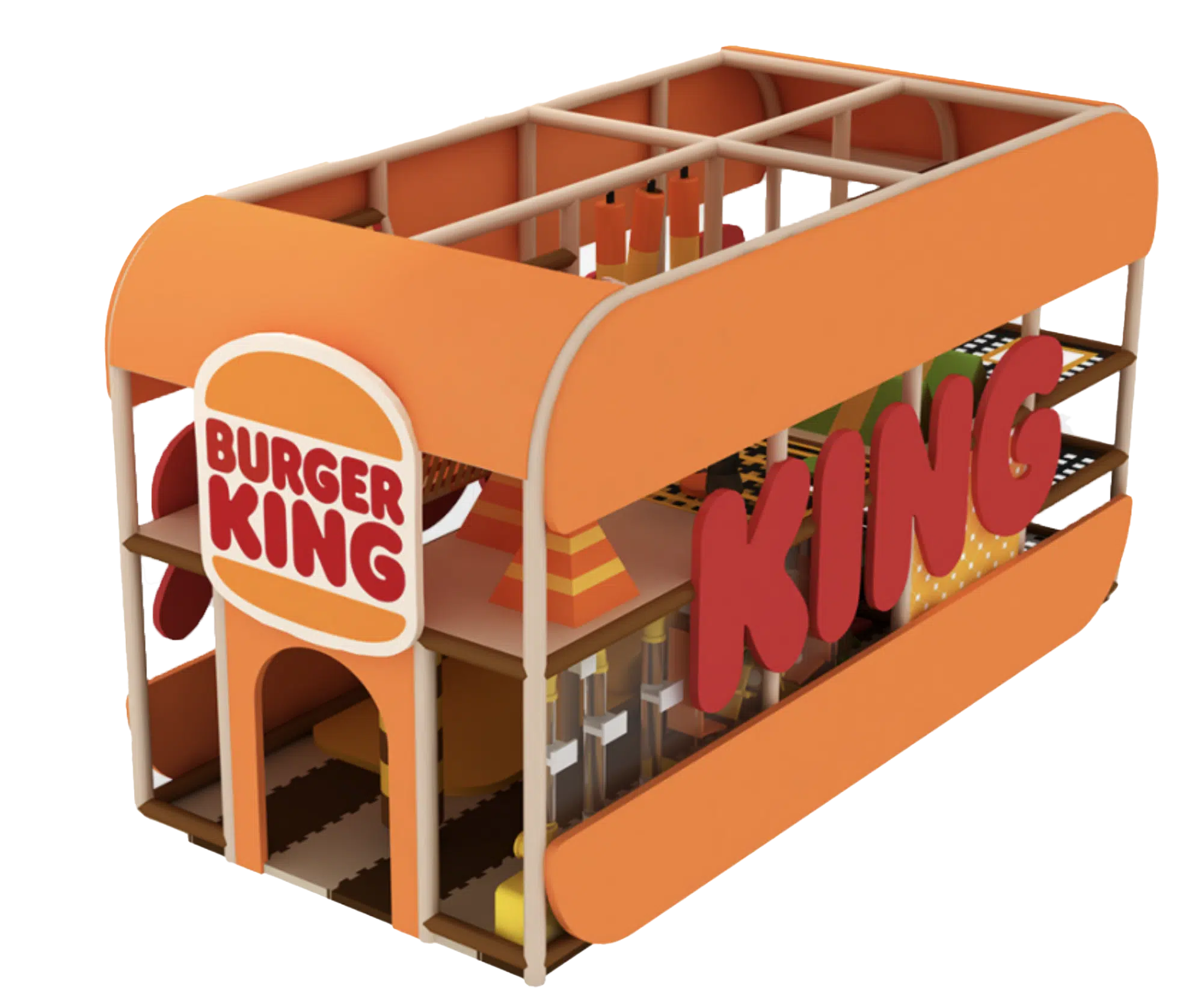
When working on a graphic profile, it's easy to focus on the logo, website and prints. In physical spaces, visual identity plays an equally important role. Colors, shapes and graphic elements affect how a place is perceived.
A clear graphic profile creates recognition and coherence. When colors, patterns and expressions are consistently used across walls, floors, signs, equipment and products, the concept is perceived as more consistent and professional. It also makes it easier for users to orient themselves, understand zones and intuitively know where they belong.
Visual elements also affect mood and behavior. Colors can create energy, calm or excitement, while shapes and illustrations can invite to play, get active and stay longer. This is particularly important in activity and experience environments, the visual expression is part of the experience itself. This recognizability is also crucial in marketing. It makes it easier for the end user to understand the concept, remember it and recognize it across channels.
When the graphic profile and physical environment are developed as a whole, they reinforce each other. The result is spaces that not only function practically, but also communicate clearly to the target group and are harder to forget.
A well-thought-out visual identity in physical spaces is therefore not just about aesthetics - it's about experience, orientation and wholeness.